
7 Deadly Sins & 7 Heavenly Virtues: Meanings & Origins.
Compare every deadly sin alongside its opposite virtue, Latin name, and everyday blind spots, grouped by Dante’s three categories of misdirected love.
Amor Perversus (Disordered Love Directed Against Neighbor)
Terraces I–III of Dante’s Purgatorio| Emblem & Capital Vice | Remedial Virtue (Latin) | Evagrian Greek Root | Root Motivation & Mechanism | Practical Antidote |
|---|---|---|---|---|
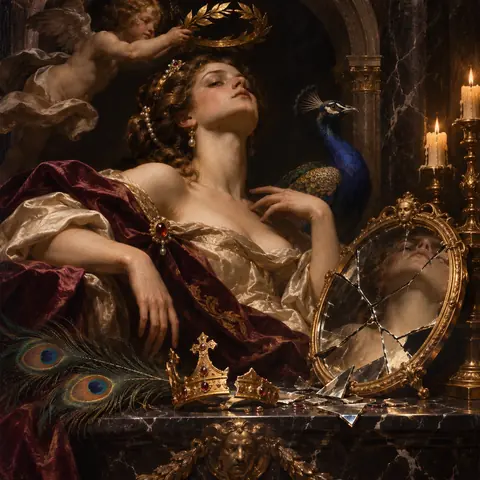 Superbia (Pride) | 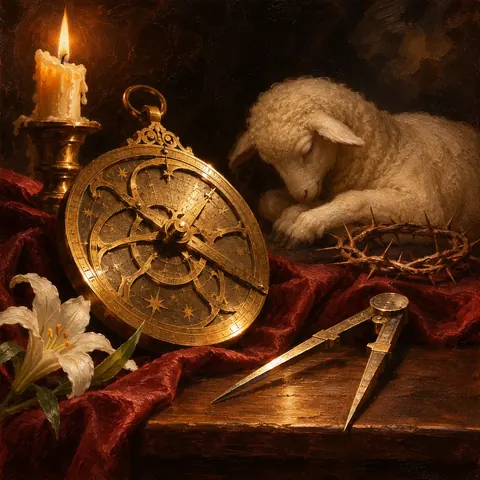 Humilitas (Humility) | Hyperephania & Kenodoxia | Treating your own judgment as infallible while brushing off other people’s skill or credit. | Honest self-check: match your confidence to real proof and share credit out loud. |
 Invidia (Envy) | 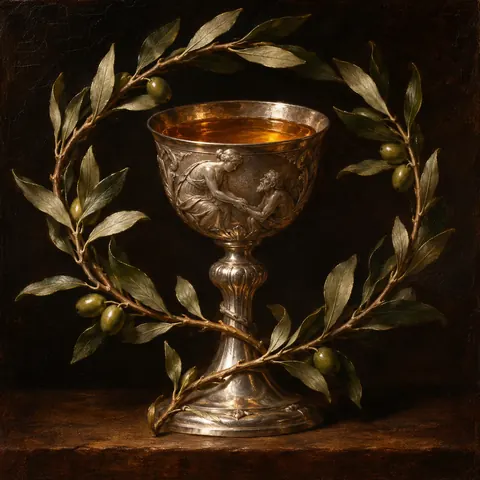 Humanitas (Kindness / Benevolence) | Added by Gregory I (590 AD) | Feeling bitter over a peer’s win as if their success shrinks your own worth. | Borrow the lesson: study what worked for them and build your own lane. |
 Ira (Wrath) | 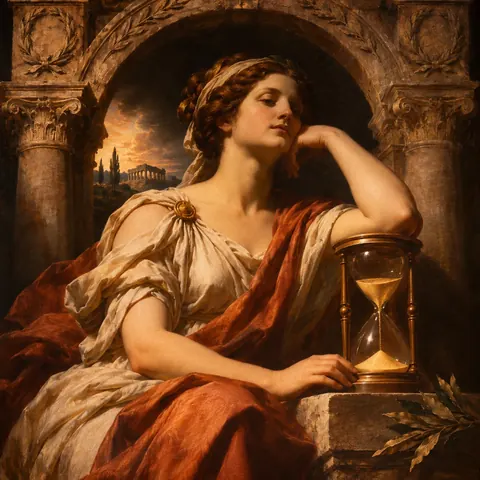 Patientia (Patience / Equanimity) | Orge (Fury) | Snapping back to punish someone instead of fixing the actual mistake. | Hold firm boundaries calmly without trying to score revenge. |
Amor Defectivus (Insufficient Energy Toward the Good)
Terrace IV (The Midpoint Pivot)| Emblem & Capital Vice | Remedial Virtue (Latin) | Evagrian Greek Root | Root Motivation & Mechanism | Practical Antidote |
|---|---|---|---|---|
 Acedia (Sloth / Torpor) |  Industria (Diligence / Zeal) | Akedia & Lype (Noonday Demon) | Dodging hard, meaningful work with busywork or distraction until deadlines force action. | Show up for a short daily work block even when motivation is flat. |
Amor Excessivus (Unmeasured Attachment to Secondary Goods)
Terraces V–VII of Upper Purgatorio| Emblem & Capital Vice | Remedial Virtue (Latin) | Evagrian Greek Root | Root Motivation & Mechanism | Practical Antidote |
|---|---|---|---|---|
 Avaritia (Greed / Covetousness) | 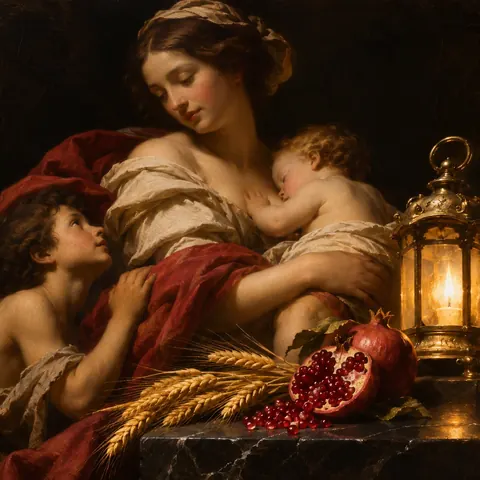 Caritas (Charity / Generosity) | Philargyria (Love of Silver) | Stacking money, leverage, and favors endlessly as if there will never be enough. | Set a clear "enough" target and give back time or help without keeping score. |
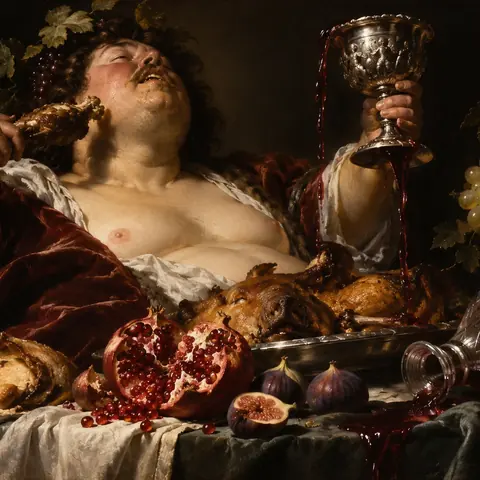 Gula (Gluttony) |  Temperantia (Temperance / Moderation) | Gastrimargia | Overeating, doomscrolling, or impulse buying past the point of enjoyment to numb stress. | Set portion limits before you start and enjoy treats without screens. |
 Luxuria (Lust) | 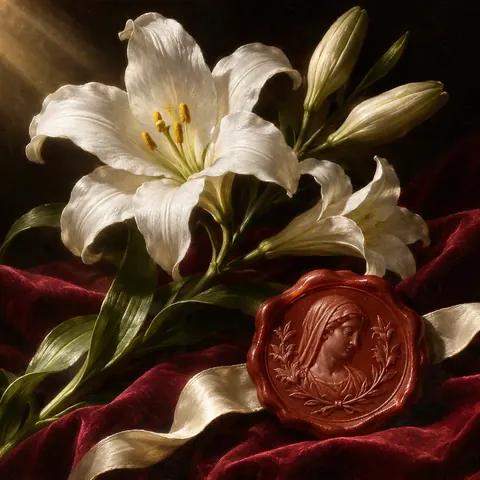 Castitas (Chastity / Integrity of Desire) | Porneia | Chasing quick thrills and intense sparks while skipping real connection. | Stay present and invest your energy in long-term commitments. |
Historical & Etymological FAQ
Where did the list of 7 Deadly Sins originally come from?
In the 4th century, desert monk Evagrius Ponticus cataloged eight evil thoughts (logismoi) in Greek: gluttony, lust, avarice, sadness (tristitia), wrath, acedia (spiritual torpor), vainglory, and pride. In 590 AD, Pope Gregory I consolidated vainglory into pride, merged tristitia into acedia (sloth), and added envy, producing the canonical seven capital vices.
How did Dante Alighieri classify the seven sins in Purgatorio?
In Canto XVII of Purgatorio, Dante and Thomas Aquinas group the seven terraces by disordered love (amor): Perverted Love aimed at harming a neighbor (Pride, Envy, Wrath), Defective Love lacking energy toward the good (Sloth), and Excessive Love toward material or sensory goods (Greed, Gluttony, Lust).
Why are they called "capital" vices rather than just severe offenses?
The word capital comes from the Latin caput ("head" or "fountainhead"). Thomas Aquinas explains in Summa Theologiae (I-II, Q.84) that a capital vice is a root motivation that spawns dozens of downstream secondary habits in order to achieve its goal.